
Backrooms Company Multiplayer
Sushi StudiosAdventure
4.6228.00 Reviews
- Version
- 1.53
- Installs
- 1.00M
- Age Rating
- Teen
Screenshots
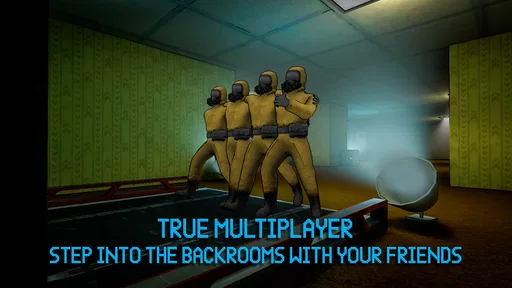
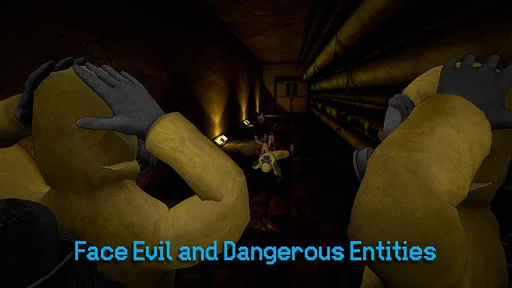
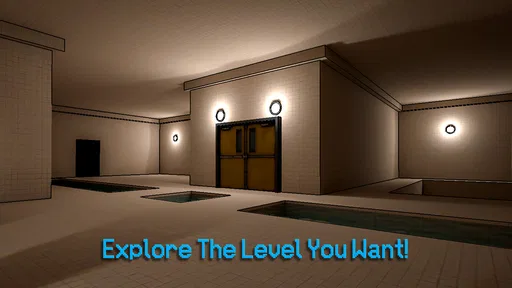
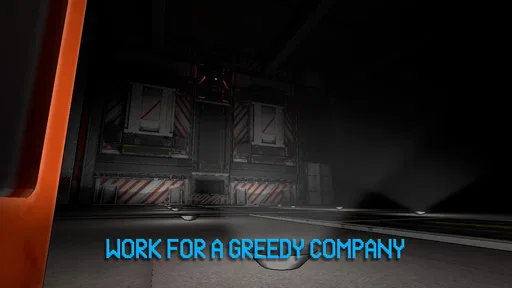
Our Review of Backrooms Company Multiplayer
 Analysis by Appyee
I approached Backrooms Company Multiplayer as the kind of mobile horror game you open when you want a tense session with friends rather than a quiet, predictable adventure. Its basic idea is easy to understand: you enter a strange Backrooms setting, try to survive, and deal with surprises while playing alongside other people. What matters in practice is how readable that experience feels when the screen is dark, the pressure is high, and several players are trying to make decisions at once.
After spending time with it, I found a game that is strongest when communication, quick reactions, and a tolerance for disorientation come together. It is free to start, belongs to the adventure category, and comes from Sushi Studios. The game has reached over a million installs and holds a 4.6 average from around 23 thousand ratings, which fits my impression that it has found a substantial audience among players looking for short, social horror sessions.
The important question is not simply whether it is scary. It is whether the presentation and controls let different players participate comfortably. Some people will enjoy the darkness and sudden surprises; others may find those same elements tiring or difficult to follow. My review therefore focuses on how clearly the game communicates, how demanding it feels to control, and where the multiplayer format helps or creates extra friction.
How clearly the Backrooms experience communicates what to do
I look at how clearly the game communicates its goals when the Backrooms setting is designed to feel disorienting. That distinction matters: confusion can build tension, but it can also make a session hard to follow, especially when several players are reacting at once. From there, I’ll consider how a group can make navigation easier without taking away the uncertainty that gives the experience its character.
Readable goals inside an intentionally confusing world
The Backrooms theme depends on uncertainty. Corridors look similar, safe routes are not always obvious, and the atmosphere works partly because the player does not feel fully in control. That can make the first minutes feel less accessible than a conventional adventure game with a clear map, bright markers, and a steady tutorial path. I had to pay attention to the environment and to the behavior of the group instead of relying on a constant stream of instructions.
That design is effective for horror, but it creates a clear trade-off. The lack of certainty is part of the entertainment, yet it can also make navigation tiring for anyone who needs strong visual structure. If you prefer knowing exactly where the next objective is, this is not the most comfortable choice. The game asks you to accept confusion as a core mechanic rather than treating it as a temporary obstacle.
In a group, the situation becomes easier to follow because another player can notice a route, warn about danger, or explain what just happened. I found that verbal coordination can replace some of the information that the environment deliberately withholds. A friend saying “stay left” or “we came from that hallway” is surprisingly useful when the surroundings begin to blur together.
Navigation works best with a planned group
My most practical advice is to establish a simple communication habit before the pressure starts. One person can call out direction, another can watch the rear, and everyone can agree on a meeting point when the group becomes separated. This is more than a teamwork trick: it reduces the amount of visual searching each player has to do and makes the session easier to follow for people who struggle with rapidly changing scenes.
Playing with strangers can be less predictable. A group may split without warning, talk over one another, or move too quickly for somebody who needs a moment to understand the surroundings. The multiplayer concept is therefore a genuine strength for social players, but it is not automatically inclusive just because other people are present. The quality of the session depends heavily on whether the group communicates patiently.
Compared with a typical single-player adventure, this game gives you fewer opportunities to pause and absorb the space at your own rhythm. Compared with a competitive action game, though, the pressure comes more from survival and uncertainty than from constant scorekeeping. That makes it a better fit for cooperative horror fans who enjoy shared problem-solving, but a weaker fit for players who need calm, highly signposted exploration.
Small habits that improve visual orientation
I found it useful to avoid looking everywhere at once. Instead, I tried to identify one visual reference at a time: a turn, a distinctive room shape, or the direction the group had just taken. In a repetitive environment, this kind of mental bookmarking is more reliable than assuming every corridor will be easy to recognize later.
Another useful approach is to let the most observant player lead while the others concentrate on staying together. That reduces unnecessary movement and helps prevent the common multiplayer problem where everybody explores in a different direction. It also gives players who are slower to process visual information a clearer role: following, listening, and reporting what they notice rather than racing to the front.
Controls, reactions, and physical comfort
Horror games often create physical pressure through sudden movement, and this one is no exception in spirit. You may need to turn, move away from danger, and react while the screen is visually busy. Players who are comfortable with mobile controls should settle in more quickly, but anyone with limited dexterity or difficulty holding a device steadily may find the pace demanding.
I would not describe this as a relaxed touch-controlled adventure. Even when the objective is simple, the emotional pressure encourages hurried inputs. That can make accidental movement or delayed reactions more likely. A larger screen can make the scene easier to inspect, while a smaller phone may feel more immediate but leave less room for comfortable visual separation between the game world and the controls.
For a more manageable session, I recommend playing while seated with the device supported rather than trying to hold it in one hand during intense moments. Keeping both hands available can make movement more controlled, and taking short breaks is sensible if dark scenes or repeated surprises begin to cause fatigue. These are practical adjustments, not guarantees of comfort, but they made a noticeable difference in how long I wanted to continue playing.
Sound, surprise, and sensory load
Sound is an important part of the horror mood, even when the visual environment is doing most of the work. That means the game may be more difficult for players who cannot rely on audio cues, while sudden sound changes may be uncomfortable for people sensitive to loud or startling effects. I would treat headphones as optional rather than essential: they can intensify the atmosphere, but speakers may feel less isolating and make it easier to remain aware of the room around you.
The same applies to darkness and visual repetition. Players who enjoy sensory intensity will probably appreciate the tension, but those who experience eye strain, motion discomfort, or anxiety from unpredictable threats should approach cautiously. The game’s identity is tied to unease, so choosing it means accepting that accessibility and atmosphere may sometimes pull in opposite directions.
A helpful everyday example is a late-evening session after work or school. With three friends in a quiet room, the shared reactions can make the experience funny and exciting. The same game on a crowded commute, with the screen reflecting light and sound turned down, is much less effective and potentially harder to follow. The setting around you changes how accessible the game feels, even though the software itself has not changed.
Situational access: when the multiplayer format helps
The cooperative side can make the game more approachable for people who dislike facing horror alone. A friend can explain what is happening, guide a less confident player, and reduce the stress of being the only person responsible for a decision. This is one of the strongest inclusive qualities I noticed: participation does not have to mean being the fastest or most fearless person in the group.
There are several useful roles for a team. One player can focus on orientation, another can stay alert to threats, and another can keep the group together. Rotating those responsibilities prevents one person from carrying the entire session and gives players with different strengths a meaningful way to contribute. Someone who is not comfortable leading through dark spaces can still be valuable as a careful observer or communicator.
That said, the game is not equally convenient in every social situation. If you cannot speak freely, have unreliable communication with your group, or need to stop frequently, the multiplayer rhythm may work against you. A cooperative horror game can become stressful when teammates expect constant movement. I would choose it for a planned session with people who understand that not everyone reacts at the same speed.
Who should play and who should skip it
I think it is a good match for friends who enjoy atmospheric adventure, shared panic, and discovering how to survive through trial and error. It is also a reasonable choice for players who want something more social than a solitary horror story. The free entry point makes it easy to try without committing money first, although optional in-app purchases range from $0.99 to $89.99 per item, so families and younger players should keep that spending range in mind.
The Teen content rating is another useful signal for deciding whether it belongs on a particular device or in a family gaming routine. The game is aimed at an older audience than a gentle exploration title, and its horror presentation will not suit everyone. I would skip it if you want bright environments, predictable objectives, or a game that can be played comfortably while multitasking.
It is also not my first recommendation for someone seeking a deep, story-led adventure with carefully paced character development. The appeal here is the immediate survival situation and the social tension, not the feeling of reading through a long narrative. A conventional puzzle adventure is likely better if you prefer to study clues without being chased or interrupted.
Version, device expectations, and practical setup
The current version is 1.53, and the game supports devices running Android 8.0 or later. That makes the compatibility requirement fairly approachable for many Android users, but compatibility alone does not tell you whether a particular phone will feel comfortable. Screen size, touch response, battery condition, and the way you hold the device all influence the experience during a tense escape.
Before starting a serious session, I would close distractions, check that the device is charged, and choose a place where you can concentrate. This is especially useful for players who need more time to process visual information. A calm setup cannot remove the game’s intentional uncertainty, but it prevents unrelated interruptions from adding another layer of confusion.
It is also worth discussing purchases before handing the device to a younger player. The game itself is free, but the available item prices extend from small impulse amounts to much larger single-item purchases. That does not determine whether the game is enjoyable, yet it does affect how comfortably it fits into a shared family device or a controlled spending environment.
Remaining barriers I noticed
The biggest barrier is the same feature that gives the game its personality: disorientation. Similar-looking spaces, darkness, and surprise-driven pacing can make the experience difficult for players who need strong contrast, stable visual references, or predictable movement. I would not assume that multiplayer solves this completely. Teammates can describe what they see, but they cannot make the environment itself less confusing.
Another barrier is social timing. Players who need extra seconds to react may feel pressured by a group that runs ahead. A considerate team can adapt, but a random party may not. This is why I see communication style as almost as important as device control. The game rewards groups that share information clearly and wait when necessary.
There is also a difference between being able to launch the game and being able to enjoy a long session. A player may meet the operating-system requirement but still find the dark presentation tiring, the touch controls uncomfortable, or the sound design overwhelming. Those are personal factors that cannot be judged from an install screen. Trying a short session first is the sensible approach.
For players with visual or hearing limitations, I would recommend deciding in advance which information can be shared by teammates and which parts of the experience may remain difficult. A friend can describe a route or warn about a threat, but that support may arrive late during a surprise. The game is more accommodating when the group treats assistance as normal teamwork rather than as a burden.
My inclusive verdict after playing
Backrooms Company Multiplayer is a distinctive free adventure-horror game for players who want shared tension rather than a carefully guided journey. Sushi Studios has built its appeal around uncertainty, and that makes the game memorable, but it also means accessibility depends strongly on the player’s sensory comfort, motor control, and group support.
The best way to make it more approachable is to turn cooperation into an accessibility tool. Use a calm leader, agree on simple directions, keep the group together, and let players contribute at different speeds. Those habits do not change the game’s systems, but they can reduce unnecessary confusion and make room for people who would otherwise be pushed aside by the pace.
My final recommendation is positive with clear conditions. I would suggest it to friends who enjoy horror, can tolerate visual uncertainty, and are willing to communicate. I would choose a calmer puzzle or exploration game for anyone who needs stable navigation, low sensory intensity, or complete control over the pace. With that distinction in mind, this is a worthwhile multiplayer experiment: an atmospheric Android adventure where inclusion comes less from simplicity and more from how thoughtfully the team plays together.
Verdict
Strengths of Backrooms Company Multiplayer
- Cooperative gameplay makes exploration more engaging with friends.
- Simple controls are easy for new players to learn quickly.
- Unpredictable environments keep each session feeling different.
- Voice communication helps coordinate during tense encounters.
- The eerie atmosphere creates memorable horror moments.
Limitations of Backrooms Company Multiplayer
- Online play depends heavily on a stable internet connection.
- Random matchmaking may pair you with uncooperative players.
- Some levels can feel repetitive after extended play sessions.
- Scares and enemy behavior may become predictable over time.
- Performance can vary on older phones or less powerful devices.
Other Releases by Sushi Studios
View All
Backrooms Descent: Horror Game
Adventure4.6

The Boiled One: Horror Game
Adventure4.6

Boisvert Analog Horror Game
Adventure4.4
Similar Picks in This Category
View All
Roblox
Roblox Corporation4.2

Pokémon GO
Niantic, Inc.3.5

Ninja warrior: legend of adven
TOH Games4.6

Ninja Arashi
Black Panther4.6

Eyes - The Horror Game
Fearless Games sp. j.4.5

Critical Action:Gun Strike Ops
FPS Shooter & Action Game4.3
Frequently Asked Questions
What is Backrooms Company Multiplayer?
Backrooms Company Multiplayer is a cooperative horror game in which players explore unsettling, maze-like environments inspired by the Backrooms concept. The main focus is teamwork, exploration, and survival while searching for objectives and trying to avoid dangerous entities. Its multiplayer design makes communication important, since separating from the group can quickly turn a simple exploration mission into a stressful escape.
Can I play Backrooms Company Multiplayer alone or only with other players?
The game is primarily designed around multiplayer cooperation, allowing friends or other players to explore the Backrooms together. Depending on the version and available game modes, solo play may be possible, but it generally does not provide the same experience as playing with a team. Before downloading, check the current store description and device requirements to confirm supported modes and online features.
Does Backrooms Company Multiplayer require an internet connection?
Because the game is built around multiplayer interaction, an internet connection is normally required for joining online sessions, inviting friends, and communicating during a mission. Offline access may be limited or unavailable, and connection quality can affect matchmaking, voice communication, and gameplay smoothness. Players should also verify whether the game uses private rooms, public matchmaking, or both.
Is Backrooms Company Multiplayer suitable for children?
Backrooms Company Multiplayer may not be appropriate for younger children because it relies on horror atmosphere, darkness, sudden scares, threatening creatures, and the tension of being pursued. The intensity can vary depending on the level and situation, but parents should review the official age rating, content warnings, and multiplayer communication options before allowing children to play.
What devices are compatible with Backrooms Company Multiplayer?
Compatibility depends on the specific Android or iOS release, operating-system version, available storage, and hardware performance. Horror games with 3D environments can require a reasonably modern device for stable frame rates and loading times. Before installing, check the official store listing for supported operating systems, required storage, permissions, and whether your phone or tablet meets the developer’s minimum specifications.
Play our best games!


